Health and Safety Policy for Gardeners Creekmouth
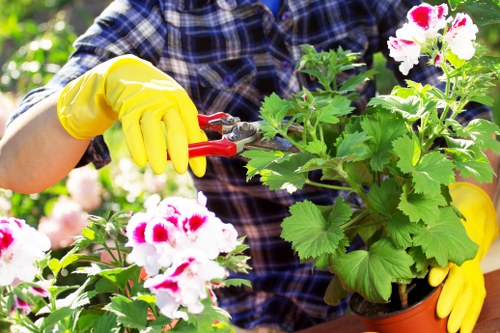 This health and safety policy for gardeners in Creekmouth sets out the standards expected of everyone involved in outdoor maintenance work. Its purpose is to protect staff, contractors, visitors, and the public by promoting safe working practices, sensible planning, and prompt action when risks arise. Gardening tasks can involve manual handling, machinery, chemicals, sharp tools, uneven ground, and changing weather, so safety must remain a core part of everyday operations.
The policy applies to all routine and seasonal work, including planting, pruning, mowing, hedge cutting, litter removal, and general grounds maintenance. It also covers the use of hand tools, power equipment, vehicles, ladders, and storage areas. A clear safety culture helps reduce accidents and supports consistent standards across all sites and tasks.
Everyone carrying out gardening work must act responsibly, follow agreed procedures, and report hazards without delay. Supervisors should make sure that work is properly planned, equipment is suitable for the task, and conditions are checked before work begins. Good housekeeping, clear communication, and regular supervision are essential parts of safe garden operations.
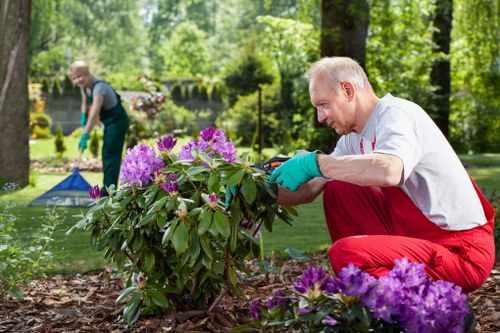 Risk assessments must be completed for tasks that could create harm, especially where work involves machinery, working at height, exposure to chemicals, or interaction with the public. These assessments should consider the surroundings, the weather, the condition of the ground, and any known site-specific hazards. Where risks cannot be removed entirely, suitable controls must be introduced and reviewed as needed.
All workers must receive appropriate training before using tools or equipment. This includes instruction on safe start-up and shut-down procedures, correct handling techniques, and the wearing of required personal protective equipment. Gardener safety policy requirements should be explained clearly so that each person understands their responsibilities and the limits of their authority.
Equipment must be maintained in safe working condition and inspected regularly. Faulty machinery, damaged cords, blunt blades, or unstable ladders should be taken out of service immediately. A reliable reporting process helps prevent small defects from becoming serious incidents. Records of checks, maintenance, and repairs should be kept where required.
 Safe manual handling is a major part of this policy. Soil bags, plants, tools, and waste materials may need to be lifted, moved, or carried across uneven terrain. Workers should avoid unnecessary strain by using correct lifting methods, sharing heavier loads, and using carts or trolleys when suitable. Where repeated movement is involved, breaks and task rotation may be used to reduce fatigue.
Personal protective equipment must be suitable for the activity and worn correctly. Typical items may include gloves, protective footwear, eye protection, hearing protection, and high-visibility clothing where needed. PPE is the final layer of defence and must be supported by practical controls such as safe storage, well-maintained equipment, and careful task planning. Protective clothing should never replace safe working methods.
Safe use of chemicals is also essential. Fertilisers, herbicides, cleaning products, and other substances must be stored, labelled, and handled in line with manufacturer instructions and internal controls. Mixing or applying products should only be done by trained personnel. Spill kits, disposal arrangements, and emergency procedures must be available where chemical use is part of the work.
Weather conditions can affect safety significantly. Heat, frost, heavy rain, wind, and poor visibility may increase the risk of slips, trips, falls, dehydration, or reduced control of tools and machinery. Work should be adjusted or paused when conditions make tasks unsafe. Clothing, hydration, rest breaks, and suitable scheduling all contribute to safer outdoor work.
Managing hazards around the public is another important duty. Paths, entrances, and shared areas should be kept as clear as possible, with barriers or warning signs used when work creates temporary danger. Tools should never be left unattended in accessible areas, and machinery should be controlled carefully in spaces where others may be nearby. Public safety must remain a priority throughout each job.
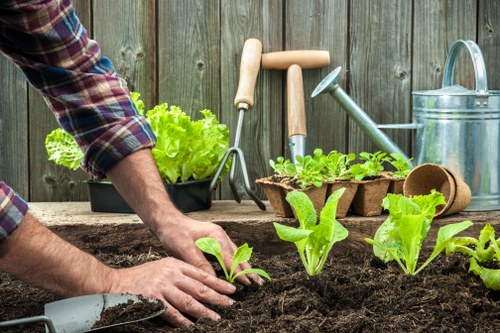 Emergency arrangements should be understood by all staff. This includes what to do in the event of injury, fire, chemical exposure, vehicle damage, or severe weather. First aid supplies should be available, and at least one person on site should be aware of basic emergency actions. Serious incidents, near misses, and unsafe conditions should be recorded and investigated so that lessons can be learned.
This gardening health and safety policy will be monitored regularly and updated when work methods, equipment, or risks change. Managers and supervisors are responsible for encouraging compliance, setting a good example, and making sure safety concerns are addressed promptly. Workers are expected to cooperate fully and contribute to a safe working environment by following instructions and reporting concerns early.
The policy also supports wellbeing and professionalism. Respectful behaviour, manageable workloads, adequate rest, and sensible task allocation all help reduce errors and improve attention on site. By combining practical controls with awareness and accountability, garden safety policy standards can be maintained consistently across a wide range of outdoor tasks.
 In summary, this policy aims to create safe, organised, and reliable gardening work by reducing avoidable risks and promoting responsible practice. Whether tasks are routine or more demanding, every person involved must take care, use equipment properly, and work with safety in mind. That shared commitment helps protect people, property, and the quality of the work itself.