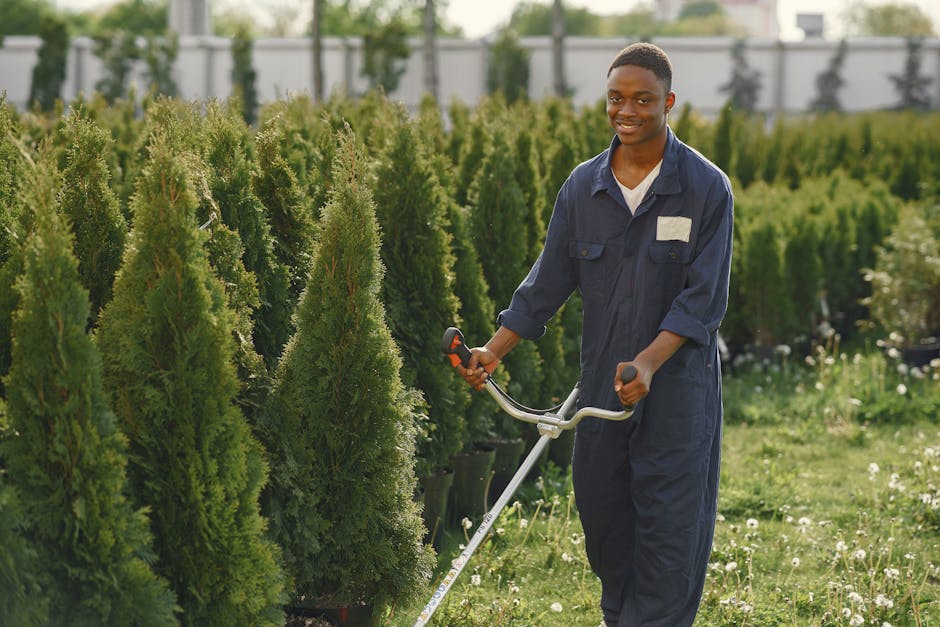
Why licensed gardeners in Creekmouth need proper insurance
If you hire or run a gardening business in Creekmouth, insurance is not just a box-ticking exercise. It is one of those things you barely notice until the day something goes wrong - a cracked patio slab, a slipped tool, a damaged fence panel, a trip over wet turf, the lot. That is exactly why licensed gardeners in Creekmouth need proper insurance: it protects the work, the people, and the business when real-world accidents happen.
In a busy local area like Creekmouth, gardens are rarely simple. You may be working near shared access paths, family spaces, sloping lawns, or tight side returns with expensive materials close by. Add in ladders, hedge cutters, power tools, and unpredictable British weather, and the risk picture becomes very ordinary very quickly. This guide explains what proper cover should do, how it works, and what both gardeners and customers should look for before work begins.
Table of Contents
- Why insurance matters for licensed gardeners in Creekmouth
- How proper gardening insurance works
- Key benefits and practical advantages
- Who needs this cover and when it makes sense
- Step-by-step guidance for getting it right
- Expert tips for stronger protection
- Common mistakes to avoid
- Tools, resources and recommendations
- Law, compliance, standards and best practice
- Options and comparison table
- Case study example
- Practical checklist
- Conclusion
- Frequently asked questions
Why insurance matters for licensed gardeners in Creekmouth
Let's be honest: gardening looks calm from the outside. But once you are shifting soil, handling sharp tools, moving heavy pots, or trimming hedges over glass, it becomes a hands-on trade with genuine risk. A single mistake can damage a client's property or cause injury, and if you are uninsured, that can get expensive fast.
For licensed gardeners, insurance matters for three big reasons. First, it protects against accidental harm to others. Second, it helps cover damage to tools, equipment, or property. Third, it supports trust. Customers often feel more comfortable booking a gardener who can show they have taken risk seriously.
In Creekmouth, that trust factor is huge. People often want gardeners working close to homes, pets, children, outdoor seating, and boundary features. If a ladder slips while a hedge is being cut, or a mower throws debris onto a window, you want a proper policy behind you. Not a promise, not a shrug, a policy.
Expert summary: Proper insurance is not only about worst-case scenarios. It is also about showing professionalism, reducing friction if something goes wrong, and keeping a gardening business stable enough to keep serving local clients well.
Customers benefit too. A properly insured gardener can usually take responsibility faster and more calmly if there is an incident. That matters when emotions are already a bit high, which they often are when someone's patio, lawn, or boundary planting has been affected.
How proper gardening insurance works
Insurance for gardeners usually works by transferring specific risks to an insurer in exchange for a premium. That sounds dry, but in practice it means a gardener chooses cover based on the type of jobs they do, then the policy helps deal with claims that fall within the terms.
The exact policy shape can vary, but the usual cover types are easy enough to understand:
- Public liability insurance: helps if a member of the public or a client suffers injury or property damage linked to the work.
- Tools and equipment cover: helps replace or repair stolen, lost, or damaged gear.
- Employers' liability insurance: relevant if the business employs staff and a workplace injury or illness claim arises.
- Professional indemnity: less common in simple garden maintenance, but useful where advice, design, or planning errors could cause a loss.
A gardener in Creekmouth who does light maintenance once a week may need a different policy shape from a team doing landscaping, fencing, tree work, and patio cleaning. That is normal. Insurance should fit the actual work, not some vague idea of gardening as a whole.
What "proper" really means is simple: the policy should match the tasks, the tools, the number of workers, and the level of risk. A hedge trim and a tree reduction are not the same job, even if they both happen in the same garden on the same afternoon.
If you are reviewing service standards as well as cover, it can help to look at the company's wider approach to safety and customer care, for example the information on insurance and safety, the health and safety policy, and the terms and conditions.
Key benefits and practical advantages
Proper insurance brings more than peace of mind. It changes how a business operates day to day. Here are the advantages that matter most in real life.
- Financial protection: A claim for damage or injury can be far more expensive than the annual cost of cover.
- Professional credibility: Being insured signals that the gardener takes the job seriously.
- Client confidence: Homeowners are more likely to book when they know there is a safety net.
- Business continuity: One bad incident should not knock a small business off course.
- Better risk discipline: Insurance often pushes people to improve site checks, tool storage, and work practices.
There is also a quieter benefit that people miss: insurance encourages better conversations before the work begins. When a gardener checks access, surfaces, pets, fragile items, and water points in advance, misunderstandings drop. You spend less time apologising later and more time actually getting the garden sorted.
For customers, this means less worry around jobs like lawn mowing, hedge trimming in Creekmouth, or more involved help through general gardening services. It's a simple relationship, really: better cover usually means better care.
Who this is for and when it makes sense
This topic is for anyone providing gardening work where there is contact with a client's property, visitors, or equipment. That includes sole traders, small crews, subcontractors, and more established local firms. If you do any of the following, insurance is worth taking seriously:
- regular maintenance visits
- hedge cutting and pruning
- lawn care and mowing
- pressure or patio cleaning
- fencing and light boundary work
- decking-related garden work
- landscaping jobs involving heavier materials
- tree work or branch removal
It also makes sense when you are expanding beyond easy jobs. A gardener who mainly does seasonal tidy-ups may not think much about cover. Then one day they are lifting slabs near a seating area or removing ivy from a wall, and suddenly the risk profile looks very different. Happens all the time.
If you are a homeowner hiring help, the same principle applies in reverse. Check whether the person or team is covered before they arrive, especially for jobs with ladders, machinery, or harder physical work. If you want a sense of the kind of work a local firm may handle, browse pages such as garden maintenance, patio cleaning, landscaping, and tree surgery.
Step-by-step guidance for getting it right
If you are a gardener or managing a local gardening business, here is a practical way to approach insurance without getting lost in jargon.
- List the jobs you actually do. Write down the services, tools, working heights, and property types involved. A pruning-only setup is not the same as landscaping and tree work.
- Identify the main risks. Think about slips, falls, tool damage, flying debris, property marks, and accidental injury. Be specific. The details matter.
- Choose cover that matches the work. Public liability is often the first priority, but tools cover or employers' liability may also be needed.
- Check exclusions carefully. Some policies will limit particular tasks, high-value kit, or certain working methods. Do not skim this part. It's where headaches hide.
- Keep records organised. Save policy documents, renewal dates, proof of cover, and any risk assessments in one place.
- Review after service changes. If you add fencing, decking, or tree work, revisit the policy before taking bookings for those jobs.
- Re-check every year. Even if nothing dramatic has changed, your risks may have. Businesses grow, jobs get larger, and equipment gets better - and suddenly the old policy feels a bit tight.
A useful shortcut is to treat insurance as part of the quoting process. If you are already using pricing and quotes, build insurance questions into that conversation. It keeps everyone on the same page from the start.
Expert tips for better protection
A good insurance policy helps after an incident. Better practice reduces the chance of one. That's the real win.
- Do a quick site walk before work starts. Look for loose paving, hidden cables, water features, glass objects, and pet access.
- Separate tools from public access. Even a brief unattended moment can lead to theft or injury. Keep tools where they cannot be casually knocked over.
- Use a simple job note. Record what was discussed, what was agreed, and anything unusual about the garden.
- Photograph pre-existing damage. A few images before a job can prevent awkward disputes later.
- Plan for weather changes. A dry morning can become a slippery afternoon. British weather likes a surprise, doesn't it?
- Match the crew size to the task. Rushing a big job with too few people raises risk. So does improvisation.
For some jobs, insurance and practical know-how go hand in hand. For example, before removing overgrowth or digging near a neglected edge, a gardener might review advice from this guide on neglected gardens or compare methods used in ivy removal. Good planning is rarely glamorous, but it saves time and stress.
If the work involves more delicate planting or design choices, nearby guidance like creating a lush garden oasis and simple ways to cultivate your garden can help shape safer, cleaner workflows too.
Common mistakes to avoid
Insurance mistakes often come from assumptions. And assumptions are expensive. Here are the most common ones.
- Assuming public liability covers everything. It usually does not. Read the details.
- Underinsuring tools. Small machines, batteries, hedge cutters, and accessories add up faster than people expect.
- Forgetting subcontractors or helpers. If anyone else works on the job, check whether they are included properly.
- Adding new services without updating the policy. This is a classic one. A business starts with mowing, then adds decking, then suddenly wants to do tree work. The policy must keep up.
- Not storing proof of cover. A client may ask. A supplier may ask. You may need it for a tender or contract. Have it ready.
- Choosing the cheapest cover without checking exclusions. Cheap can be fine. Blindly cheap usually isn't.
There is also a customer-side mistake: booking the right-looking service without asking about insurance at all. That is risky, especially for tasks involving height, machinery, water, or heavy materials. One direct question at the start can save a lot of messy conversations later.
Tools, resources and recommendations
You do not need a mountain of paperwork to stay organised. A few practical tools make a big difference.
- Job checklist: a simple list of access, hazards, surfaces, and customer instructions.
- Photo record: before-and-after pictures to protect both sides.
- Insurance summary sheet: one page with policy type, provider details, renewal date, and emergency contact information.
- Equipment inventory: a living list of tools, serial numbers, and purchase dates.
- Client notes: helpful for recurring jobs, especially in gardens with pets, children, or fragile features.
For planning the kind of work that often needs extra cover, it can help to look at service-specific pages such as fencing, decking services, and lawn care. These give a clearer sense of the scope of work and where risk can shift from simple maintenance to more complex site handling.
And if you are refreshing the garden itself, related articles like stunning seating areas or design choices to reduce wind impact can help you think through safer layouts. A smarter layout often means fewer surprises for the gardener and the client.
Law, compliance, standards and best practice
Without drifting into legal advice, it is fair to say that gardeners in the UK should think carefully about duty of care, safe working practices, and the insurance expectations that often come with professional work. If you employ anyone, employers' liability is a serious consideration. If you work on client property, public liability is usually central. If you give advice or specify work, errors in planning can also create exposure.
Best practice is not just about the policy wording. It includes safe tool use, clear communication, keeping walkways unobstructed, managing waste responsibly, and making sure customers understand what is and is not included in the job. A good business culture matters here. That is why policies like the health and safety policy and the complaints procedure are worth reading alongside any insurance discussion.
Customers also tend to look for transparent terms, secure payment handling, and accessible information. That broader trust package is part of professionalism too. You can see that same mindset in pages like payment and security, privacy policy, cookie policy, and accessibility statement.
In practice, compliance is less about jargon and more about doing the sensible thing consistently. Keep people safe. Keep records. Keep cover current. It sounds obvious, but the obvious stuff is often what gets missed.
Options and comparison table
Not every gardening business needs the same cover. The right choice depends on how you work. Here is a simple comparison that can help with decision-making.
| Cover type | Best for | What it usually helps with | Common blind spot |
|---|---|---|---|
| Public liability | Most gardeners | Third-party injury and property damage | Thinking it covers staff injuries |
| Tools and equipment | Mobile gardeners and landscapers | Theft, loss, or damage to kit | Undervaluing batteries and attachments |
| Employers' liability | Businesses with employees | Employee injury or illness claims | Believing casual help is always exempt |
| Professional indemnity | Garden designers or advice-led services | Planning or advice-related losses | Not noticing advice can create liability |
| Combined business cover | Growing multi-service firms | A broader spread of risks under one arrangement | Letting older service limits stay in place too long |
For many Creekmouth gardeners, the practical starting point is a combined package built around public liability, then adjusted for tools, team size, and the services offered. If the business only handles straightforward upkeep, the cover may stay fairly lean. If it has branches into landscaping, tree work, or hard landscaping, the picture becomes more layered.
Case study example
Here is a realistic local scenario. Imagine a licensed gardener in Creekmouth arrives to tidy a rear garden after a period of neglect. The job includes clearing debris, cutting back overgrowth, and mowing a lawn that has become patchy and uneven. Midway through, a hidden stone catches the mower, a small piece of debris hits a greenhouse panel, and a client later notices a cracked pane.
Without proper insurance, that turns into a tense phone call and a potentially expensive repair. With the right cover, the claim process is clearer, and the business can handle the issue professionally instead of arguing over who pays. The same thing applies if someone trips over tools left near a path, or if a hedge trimmer damages an external cable. Not glamorous. Just real.
That is why planning matters before the first cut or dig. In similar situations, a gardener might first review where to begin with a neglected garden, then use a safer work sequence and keep the customer informed at each stage. A calm process usually prevents a noisy one later.
Practical checklist
Use this quick checklist before any professional gardening job in Creekmouth.
- Confirm what work is being done and what is excluded.
- Check that the policy matches the services on offer.
- Verify public liability cover is current.
- Check whether employers' liability is needed.
- Review tool and equipment values.
- Ask about high-risk tasks such as tree work, hedge cutting, or ladder use.
- Take note of access issues, pets, and fragile items.
- Photograph existing damage before work starts.
- Keep a copy of insurance details and renewal dates.
- Review the policy after any service expansion.
If you are a customer, one sensible question is enough: can you show that you are properly insured for this job? A good gardener will not mind. In fact, they should expect it.
For help arranging a service or asking about cover and working methods, you can always get in touch here.
Get a free quote today and see how much you can save.
Conclusion
Why licensed gardeners in Creekmouth need proper insurance comes down to one simple truth: real work carries real risk. Gardens may look peaceful, but the jobs behind them involve tools, movement, property, people, and weather - a mix that deserves proper protection.
Good insurance does more than pay for problems. It supports confidence, professionalism, and better decision-making on site. It helps customers feel secure, and it helps gardeners keep working without one mistake turning into a serious setback. To be fair, that is exactly what you want from any trade you invite onto your property.
So whether you are hiring a local gardener or running the business yourself, think beyond the quote. Ask about cover, ask about safety, and make sure the paperwork matches the work. That little bit of care can make everything smoother, from the first visit to the final tidy-up. And that is worth a lot.
Frequently Asked Questions
What insurance should a licensed gardener in Creekmouth have?
Most gardeners should look first at public liability insurance. Depending on the business, tools cover, employers' liability, and sometimes professional indemnity may also be sensible.
Is public liability insurance enough for gardening work?
Not always. It is often the most important starting point, but if you employ staff or carry expensive equipment, you may need additional cover to reflect the actual risks.
Do small gardening businesses really need insurance?
Yes. Small businesses can still face claims for injury or property damage. In fact, a single incident can have a bigger impact on a small operation than on a larger firm.
Can a customer ask to see proof of insurance?
Absolutely. It is a normal and reasonable question. Many customers ask before work starts, especially for hedge cutting, landscaping, or jobs using ladders and machinery.
What happens if a gardener is not insured?
If there is an accident or damage claim, the gardener may have to cover the cost themselves. That can be stressful and financially damaging, especially if the issue is serious.
Does insurance cover damage caused by tools?
Sometimes, but it depends on the policy. Public liability may cover damage to a client's property, while separate tools cover may be needed for theft or damage to equipment itself.
Do gardeners need employers' liability if they only use occasional help?
That depends on the exact working arrangement. If anyone is classed as an employee, employers' liability may be required. It is worth checking properly rather than guessing.
How often should gardening insurance be reviewed?
At least once a year, and also whenever the business changes. New services, new staff, larger equipment, or extra work at height can all affect what cover is needed.
Does insurance matter for lawn care and routine maintenance jobs?
Yes, because even routine work can lead to accidents, slips, trip hazards, or damage to nearby property. Low-risk jobs can still create claims if something unexpected happens.
Why do licensed gardeners in Creekmouth need proper insurance specifically?
Because local work often involves close working conditions, varied garden layouts, and frequent contact with client property. Proper insurance helps manage those everyday risks responsibly.
Can insurance help a gardening business look more professional?
Definitely. It shows clients that the gardener takes safety, responsibility, and accountability seriously. That confidence can make a real difference when people are choosing who to hire.
Where can I learn more about a gardener's safety approach?
Look for clear information on insurance, health and safety, terms, and complaints handling. Those pages usually tell you a lot about how the business operates day to day.