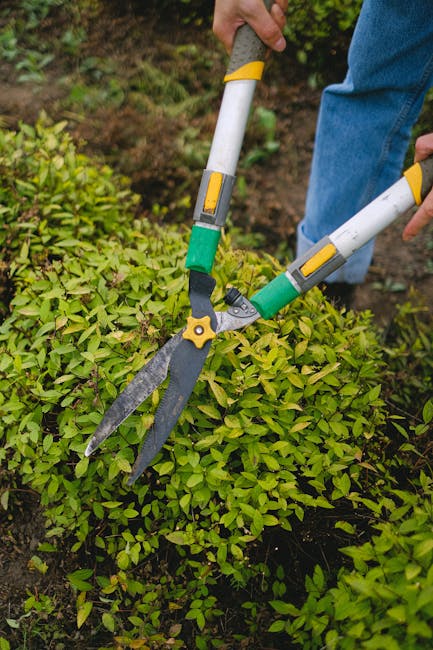
Avoid common mistakes when hiring a gardener in Creekmouth
Hiring someone to care for your garden should feel reassuring, not risky. Yet a lot of people in Creekmouth end up choosing a gardener too quickly, too cheaply, or without asking the right questions. The result? Patchy lawn work, missed hedge cuts, vague quotes, or a job that looks fine for a week and then quietly falls apart. If you want to avoid common mistakes when hiring a gardener in Creekmouth, the good news is that most of them are easy to spot once you know what to look for.
This guide walks you through the practical side of choosing the right gardener: what to check, what to avoid, how to compare quotes, and how to protect your time, plants, and budget. No fluff. Just the stuff that actually matters when your garden is on the line.
Table of Contents
- Why this matters
- How the hiring process works
- Benefits of choosing well
- Who this is for
- Step-by-step guidance
- Expert tips
- Common mistakes to avoid
- Tools and resources
- Law and best practice
- Comparison table
- Real-world example
- Practical checklist
- Conclusion
- Frequently asked questions
Why Avoid common mistakes when hiring a gardener in Creekmouth Matters
Gardens in Creekmouth, like many London areas, deal with the usual mix of compact spaces, shade, wind, uneven soil, and the occasional period of neglect. That means the wrong gardener can do more harm than good. A rushed mow, the wrong hedge-cutting timing, or poor plant choices can create more maintenance later, not less.
It also matters because gardening work is rarely one-size-fits-all. A neat front border, a child-friendly back garden, a sheltered patio, and a weed-heavy side return all need different approaches. If a gardener does not ask about your priorities, your site conditions, and your budget, you can end up paying for a generic service that simply does not fit.
Key point: the best hire is not always the cheapest, the most talkative, or the one who says yes to everything. It is the one who understands your garden well enough to make sensible decisions.
How Avoid common mistakes when hiring a gardener in Creekmouth Works
The hiring process should be more like a short consultation than a quick transaction. First, you explain what you need: regular maintenance, one-off clearance, hedge trimming, lawn care, or a bigger refresh. Then the gardener should assess the space, ask a few practical questions, and give you a clear idea of what they will and will not do.
In a good setup, you should leave that conversation knowing three things: the scope of work, the expected frequency, and the price structure. That sounds basic, but honestly, basic is where many problems begin. A vague "we'll sort it" can hide missing tasks, surprise extras, or different ideas of what "tidy" actually means.
For example, one homeowner may expect border weeding, leaf clearing, pruning, and lawn edging in a standard visit. Another may only want mowing and a quick sweep. If nobody defines the boundaries, disappointment is almost guaranteed. Not glamorous, but very real.
Key Benefits and Practical Advantages
Hiring well gives you more than a neat garden. It saves time, reduces plant stress, and often prevents expensive mistakes. A trained, thoughtful gardener can spot issues early, from overgrown roots to compacted soil and poor drainage. That kind of early intervention can be genuinely valuable.
- Better results: plants are pruned, fed, and managed in a way that suits their needs.
- Less wasted money: you avoid paying twice to fix work that should have been done properly.
- Lower effort for you: a well-managed garden becomes easier to maintain between visits.
- Safer work: ladders, tools, and heavier tasks are handled with more care.
- Clearer expectations: you know what is included, what costs extra, and what outcomes are realistic.
There is also the peace-of-mind factor. When a gardener is reliable and transparent, you stop second-guessing every visit. You can go about your day, put the kettle on, and trust that the work is being done properly. That's worth a lot.
Who This Is For and When It Makes Sense
This advice is useful whether you have a small courtyard, a family garden, a rental property, or a larger outdoor space that has become a bit unruly. It is especially relevant if you:
- are hiring a gardener for the first time
- have had inconsistent or disappointing work before
- need regular garden maintenance rather than a one-off tidy
- want hedge trimming, lawn care, or seasonal upkeep handled properly
- own a garden with features that need care, such as decking, fencing, or patios
- have pets or children and want the space kept safe and practical
It also makes sense if you are weighing up whether to use a general gardener or a team with broader experience in landscaping or tree surgery. To be fair, not every job needs a specialist, but some absolutely do. A small pruning task is one thing; a mature tree with structural issues is another entirely.
If you are not sure where to start, a broader overview of professional gardening services can help you match the right kind of support to the work you actually need.
Step-by-Step Guidance
1. Define the job before you ask for prices
Write down what is bothering you. Is it long grass, overgrown hedges, weeds, moss, poor planting, or a general lack of structure? The clearer you are, the better your quote will be. Vague briefs lead to vague pricing. Simple as that.
2. Ask what is included
Does the gardener include green waste removal, edging, weeding, pruning, and clean-up? Or are these extra? It is better to ask the awkward question early than discover a surprise later when the job is half done and the bill is suddenly larger.
3. Check whether the gardener understands your garden type
Different gardens need different instincts. A shaded, damp garden is not treated the same way as a sunny, exposed one. If you have problematic soil, climbing plants, or areas that dry out quickly, the gardener should talk sensibly about those conditions. If they do not, that is a small warning bell.
4. Compare more than just the headline price
The cheapest quote can look attractive until you realise it excludes the part of the job you care about most. Compare scope, communication, reliability, and whether the work includes aftercare or repeat visits. One cheap visit that misses the point may cost more in the long run.
5. Agree on timing and frequency
Some gardens need fortnightly care in peak season, while others only need monthly maintenance. A gardener should explain what schedule makes sense, rather than pushing a routine that suits them but not your space.
6. Confirm how issues will be handled
What happens if the weather gets in the way? What if they spot damaged plants, a broken fence panel, or a blocked drainage area? A decent gardener will have a straightforward way to raise concerns and handle changes. No drama, just clear communication.
If your garden is already in a rough state, it can help to pair this advice with guidance on starting with a neglected garden so you know what should be tackled first.
Expert Tips for Better Results
Here is where the small details matter. In our experience, the strongest hires are the ones where the homeowner asks a few thoughtful questions and listens closely to the answers. A gardener who explains things clearly usually works clearly too. Usually.
- Ask for practical examples: not grand promises, just how they would approach your lawn, hedge, border, or patio.
- Look for local awareness: Creekmouth gardens can be affected by wind, shade, and compact plots, so the gardener should talk to the site, not just the brochure.
- Listen for plant care judgement: if they can explain why a shrub should be pruned now rather than later, that is a good sign.
- Check responsiveness: do they answer messages clearly and on time? Reliability starts there, really.
- Be specific about standards: "tidy" means different things to different people. Say what tidy looks like to you.
One small but useful habit: take a few phone photos of the garden before work starts. It creates a simple reference point, and it avoids awkward memory gaps later. Not exactly exciting, but it works.
Common Mistakes to Avoid
1. Choosing purely on price
This is the classic mistake. A low quote may reflect low scope, low experience, or low attention to detail. Price matters, of course, but it should never be the only filter.
2. Not checking what the quote actually covers
Some quotes sound complete but omit weeding, waste removal, edging, or cleanup. If it is not written down, do not assume it is included.
3. Assuming all gardeners do the same kind of work
Some gardeners focus on ongoing maintenance. Others are better at design, planting, clearance, or specialist jobs like hedge trimming or tree-related work. Matching the person to the job saves a lot of pain.
4. Ignoring insurance and safety
If a gardener is using ladders, power tools, or working near structures, safety matters. It is sensible to ask about insurance and safe working practices. That is not being difficult. That is being sensible.
5. Forgetting to mention access issues
Side gates, narrow paths, shared entrances, and storage access can all affect the job. If bags of waste need to be carried through the house or down a tight side passage, say so in advance.
6. Skipping the first conversation
A quick text exchange is rarely enough. A short call or visit helps you judge whether the gardener understands your priorities and whether communication feels easy.
7. Hiring without thinking about seasonal timing
Some tasks are best done at particular times. If you want hedge trimming, pruning, or larger plant reshaping, timing may matter quite a bit. A good gardener should mention that without making a meal of it.
For more context on specific tasks, a focused service page like hedge trimming in Creekmouth can be useful when your main concern is keeping growth under control.
Tools, Resources and Recommendations
You do not need to become a gardening expert overnight, but a few basic tools and reference points help you make better decisions.
| What to compare | Why it matters | What good looks like |
|---|---|---|
| Scope of work | Prevents missed tasks | Clear list of included jobs |
| Pricing structure | Avoids surprise extras | Transparent quote or estimate |
| Communication | Helps prevent misunderstandings | Quick, clear responses |
| Experience | Improves judgment and efficiency | Relevant local or residential work |
| Safety approach | Reduces risk on site | Careful, organised working methods |
Useful things to have ready before you request a quote:
- a rough idea of garden size
- photos of problem areas
- a list of the most urgent tasks
- notes on access, parking, water supply, or waste disposal
- any plants or features you especially want protected
If you are also thinking about redesigning parts of the space, these guides can help you think more clearly about the job: creating a lush garden oasis, tackling weeds effectively, and improving soil health naturally.
For garden owners who enjoy a more tailored look, it may also be worth exploring ideas around garden seating areas or vertical gardens before requesting work. It helps you explain your end goal, not just your current problems.
Law, Compliance, Standards, or Best Practice
For ordinary domestic gardening, there is usually no complicated compliance process from the homeowner's side. Still, there are sensible standards to follow. Garden work should be carried out with care, and anyone using tools, ladders, or machinery should do so responsibly. If a job involves tree work, electrical equipment, or potentially hazardous cutting, experience and safe methods matter even more.
It is also best practice to be clear about boundaries and liability before work starts. A written quote, or at least a written summary, can help reduce disputes about what was agreed. In the UK, that kind of clarity is simply good practice. It keeps everybody on the same page.
For more on how a provider handles risk and site safety, you can review the site's health and safety policy and insurance and safety information. If payment arrangements matter to you, take a look at payment and security and the terms and conditions so you know where you stand.
And if something ever goes wrong, it helps to know a business has a proper route for handling concerns. A clear complaints procedure is not just admin; it is a sign that the company expects to deal with issues properly.
Options, Methods, or Comparison Table
There are a few common ways to hire garden help, and each one suits a different situation. Here is a simple comparison.
| Option | Best for | Watch out for |
|---|---|---|
| One-off gardener | Clearance, seasonal tidy-ups, small refreshes | May not be ideal for long-term upkeep |
| Regular maintenance service | Ongoing care, lawns, borders, hedges | Needs a clear schedule and agreed scope |
| Landscaping-focused help | Changes to layout, hard surfaces, garden redesign | More planning required, usually more expensive |
| Specialist work | Tree surgery, fencing, decking, or patio cleaning | Should only be used where the task really fits |
If your priority is neatness and continuity, a maintenance arrangement can be the easiest path. If your garden has deeper issues, like drainage or structural changes, a broader landscaping conversation may be the smarter move. For simple upkeep, the right garden maintenance arrangement often gives the best balance of cost and convenience.
Case Study or Real-World Example
A Creekmouth homeowner with a small back garden recently needed help after a long, wet spell had left the lawn patchy and the borders full of weeds. The first quote they received was low, but it only covered mowing. No edging, no weeding, no cleanup. It sounded fine until they imagined the result: a cut lawn surrounded by messy borders and clippings still sitting by the fence. Not ideal.
They asked a second gardener a few more questions: What exactly is included? Do you remove waste? Can you advise on the shaded corner where nothing seems to grow? That second conversation changed everything. The gardener suggested a proper first visit to clear weeds, tidy the edges, assess the soil, and then set up a monthly maintenance plan. Nothing flashy. Just sensible.
Within a few visits, the garden looked calmer, and more importantly, it became easier to maintain. The owner even added a few containers near the patio later, after getting a better feel for the space. That is the sort of outcome you want: not a one-off tidy, but a garden that starts working with you instead of against you.
If you are dealing with tougher plant issues, you may also find it useful to read about plant-specific care or protecting plants from harsh weather, especially if your garden has a mix of delicate and hardy species.
Practical Checklist
Use this checklist before you agree to anything.
- Have I clearly described the work I need done?
- Has the gardener explained what is included and what is extra?
- Do I understand whether waste removal is part of the price?
- Have I asked about timing, frequency, and seasonal suitability?
- Do I know whether the gardener has relevant experience for my type of garden?
- Have I mentioned access issues, parking, or any awkward corners?
- Have I checked whether safety and insurance are considered properly?
- Do I feel comfortable with the way they communicate?
- Is the quote specific enough to compare fairly with others?
- Have I got a written summary or clear agreement before the work begins?
One more thing. Trust your instincts a little. If someone seems rushed, evasive, or oddly unwilling to answer basic questions, that matters. You do not need to make a drama of it, but you do need to notice it.
For readers who want to compare different kinds of outdoor help, the site's wider service pages such as lawn care, lawn mowing, patio cleaning, decking services, fencing, and tree surgery can help you work out whether you need a general gardener or a more specialised service.
Conclusion
Choosing a gardener in Creekmouth is not about finding the loudest advert or the quickest quote. It is about choosing someone who understands your garden, explains their approach clearly, and leaves you with fewer problems, not more. If you avoid the usual mistakes, you give yourself a far better chance of getting work that feels calm, tidy, and worthwhile.
Start with clarity. Ask decent questions. Compare like for like. And do not rush just because the grass is getting long or the hedge is looking a bit wild in the corner. A little patience upfront can save a lot of hassle later.
If you are ready to take the next step, speak with a local gardening team that can discuss your priorities clearly and help you plan the work properly. Sometimes the best garden decisions are the simple ones, taken early, with a clear head.
Get a free quote today and see how much you can save.
Frequently Asked Questions
What should I ask before hiring a gardener in Creekmouth?
Ask what is included, how often they recommend visits, whether waste removal is part of the price, and whether they have experience with your type of garden. Those four questions cut through a lot of noise.
How do I know if a gardener's quote is fair?
A fair quote should be clear about tasks, timing, and extras. If one quote is much lower than the others, check whether it leaves out important parts of the work. The cheapest option is not always the best value.
Should I choose a gardener or a landscaper?
If you need ongoing upkeep, pruning, mowing, and seasonal tidying, a gardener is usually the better fit. If you want major changes to the layout or structure of the garden, landscaping may be more appropriate.
Do I need a gardener to have insurance?
It is wise to ask. If tools, ladders, or heavier work are involved, insurance and safe working practices matter. It is a simple way to reduce risk for everyone.
How often should a garden be maintained?
That depends on the size of the garden, the season, and how fast things grow. Some gardens need fortnightly care in peak months, while others only need monthly visits. A good gardener should help you set a realistic schedule.
What are the biggest warning signs when hiring a gardener?
Unclear pricing, vague answers, pressure to decide immediately, and a lack of detail about what is included are all warning signs. If communication feels slippery from the start, that usually is not a good sign.
Can a gardener help if my garden is badly overgrown?
Yes, many gardeners can help with clearance and recovery work. It is often best to start with a proper reset rather than trying to fix everything at once. A good first visit can make a huge difference.
Is it worth paying more for a gardener with local experience?
Often, yes. Local experience can help with soil conditions, weather exposure, typical plant problems, and practical access issues. In Creekmouth, that kind of familiarity can save time and avoid guesswork.
Should I get everything in writing?
Absolutely. A written quote or clear summary of the work helps avoid disputes about what was agreed. It does not need to be complicated, just specific enough to be useful.
What if the gardener says my plants need replacing?
Ask why. A good gardener should explain whether the issue is disease, poor soil, shade, wind, or simple age. Replacement should be a considered recommendation, not a lazy default.
How can I make sure the gardener understands my expectations?
Be direct. Show them the problem areas, explain what "finished" should look like, and mention any priorities such as safety, privacy, children, pets, or easy maintenance. The more practical the brief, the better the result.
Where can I learn more about maintaining a healthy garden year-round?
You can explore related guidance on soil health, weeds, seasonal plant care, shaded areas, and weather protection through the site's gardening articles. That kind of background makes it easier to brief a gardener properly and get better results from the work.
And honestly, that is the whole game: better questions, clearer expectations, calmer outcomes. A well-chosen gardener can make a garden feel easier to live with, and a little more like somewhere you actually want to be.